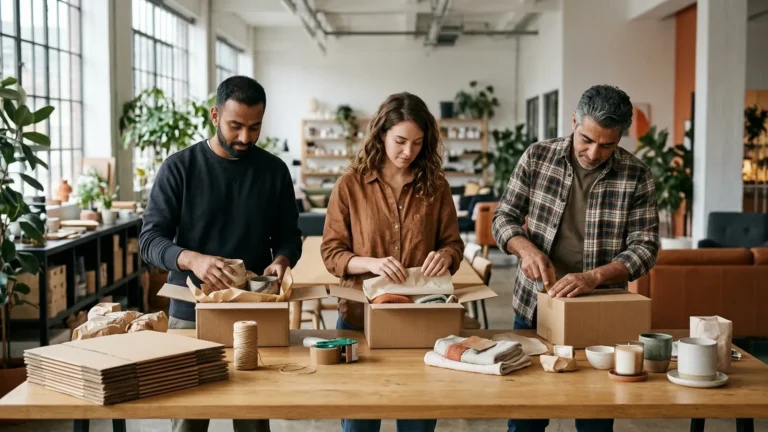
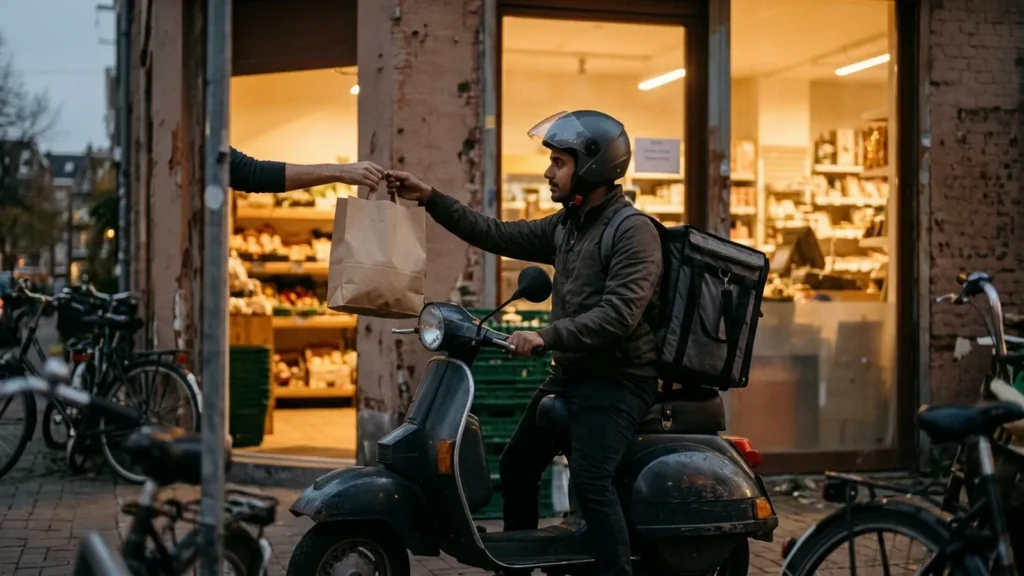
Hyperlocal delivery connects shoppers with stores near them and delivers within hours, sometimes minutes. Grocery, food, pharmacy, bakery, flowers and pet supplies all work well. The big apps have trained customers to expect it, which leaves room for focused local players who serve a neighbourhood better. This playbook covers how to plan, build and launch one. If you want us to build it, see hyperlocal marketplace development.
1. Pick one category and a small area
The most common mistake is launching every category across a whole city. Start with one category where customers order often and value speed, and a delivery area your riders can cover reliably, typically a few kilometres around each store. A tight area keeps delivery times short and costs low.
- High frequency: groceries, dairy, fruit and vegetables, medicines.
- High basket value: meat and fish, bakery and cakes, flowers and gifts.
- Underserved niches: organic food, pet supplies, stationery, local speciality stores.
2. Choose your business model
| Model | How it works | Best for |
|---|---|---|
| Single brand, multiple outlets | Orders route to your nearest store | Retail chains, bakeries, pharmacies |
| Marketplace of local stores | Many independent stores sell on your platform; you earn commission | Platforms aggregating a neighbourhood |
| Dark stores | Small warehouses close to customers for very fast delivery | Quick commerce with strong funding |
| Hybrid | Own stock for top sellers, partner stores for the long tail | Growing platforms |
Your revenue can come from delivery fees, commission on partner store orders, your own product margin, subscriptions for free delivery and in-app promotions for stores.
3. Plan the four apps
- Customer app and website: address detection, stores and products available at that address, search, cart, delivery slots or instant delivery, coupons, payment and live order tracking.
- Store app: accept or reject orders, mark items out of stock, update prices and opening hours, and see payouts.
- Driver app: order assignment, navigation, pickup and delivery confirmation, cash collection and earnings.
- Admin panel: stores, riders, delivery zones, fees, commissions, offers, refunds and reports.
Most platforms build the apps in Flutter or React Native for Android and iOS, with a Laravel or Node.js backend and Google Maps for zones and routing. See our mobile app development service for the app side.
4. Design delivery operations
Technology matters less than operations. Decide early:
- Delivery zones: draw an area per store on a map. Customers outside it shouldn’t see that store.
- Delivery promise: instant (under an hour), same day or slots. Only promise what you can keep every day.
- Riders: your own staff, gig riders or a third-party delivery partner. Many start with a partner and add their own riders as volume grows.
- Stock accuracy: out-of-stock items after ordering are the biggest cause of bad reviews. Connect store stock to the app, ideally through ERP or POS integration.
- Dispatch: automatic assignment to the nearest free rider, with batching for orders going the same way.
5. Payments and payouts
Accept UPI, cards and wallets, and decide whether to offer cash on delivery. If partner stores sell on your platform, use split payments (for example Razorpay Route in India or Stripe Connect elsewhere) so each store’s share is settled automatically and your commission stays with you. Pay riders weekly with clear earning statements.
6. Launch and grow
- Soft launch in one or two neighbourhoods with friends, family and store regulars.
- Measure delivery time, order accuracy, repeat rate and cost per delivery every week.
- Market locally: flyers in stores, housing society groups, WhatsApp broadcasts and local Instagram ads.
- Retain: free delivery thresholds, subscriptions and reorder buttons for regular baskets. WhatsApp automation handles order updates and reorders.
- Expand to the next area only when the first one runs reliably and makes money per order.
Frequently asked questions
What is a hyperlocal delivery business?
It is a business that delivers products from stores close to the customer within a small area, usually within hours. Common categories are groceries, food, medicines, bakery, flowers and pet supplies.
Do I need my own delivery riders?
Not at the start. Many platforms begin with a third-party delivery partner and hire their own riders once order volume makes it cheaper and more reliable.
Should I build a marketplace or sell from my own stores?
If you already own stores, start with a single-brand, multi-outlet model. If you want to aggregate many local shops, build a marketplace with store onboarding and commission. The apps differ mainly in the store side and payouts.
How long does it take to launch?
It depends on the features and apps you need at launch. Starting with a focused first version, one category and one area, is the fastest route to real orders and feedback.
Need help with this?
Talk to an ecommerce consultant.
Get advice for your brand from the team that writes these guides. Instant reply on chat.